Used vs New Guns: When a Trade-In Is the Better Buy and How to Check One
A used firearm is often the best value in the shop. Guns do not wear out the way cars do, a police trade-in with a worn finish and ten thousand rounds through it may have decades of service left, and the price gap between new and used can pay for a good optic and a case of ammunition. A used gun can also be a headache: a bad barrel, a cracked frame, a revolver out of time. This guide explains when used makes sense, what to look for on each type, and how the transfer works, which is exactly the same as for a new gun.
When used makes sense
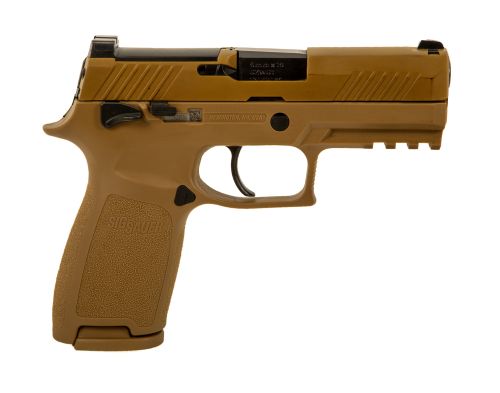
Used is the better buy when the model is one that lasts, when the price gap is real, and when you can inspect the gun or trust the grader. Police trade-in pistols from Glock, Smith and Wesson, Sig and Beretta are the classic case: bought in bulk from departments that shot them little and holstered them a lot, they arrive with holster wear on the finish and almost nothing wrong inside, at a third off the new price. Used bolt-action rifles, pump shotguns and steel-frame revolvers are similar; they are simple machines that outlive their owners. Used semi-automatic shotguns and rimfire pistols need closer looking, because they are fussier to begin with.
When new makes sense
New makes sense when the price gap is small, when you want the maker's warranty on a complex gun, when a model has been improved recently, or when you are a first-time buyer who cannot yet judge a used gun. Modern budget pistols are inexpensive enough new that a used one saves little. A gun that will be carried every day is worth buying new for the warranty and the peace of mind.
Grading
Our used listings follow the standard trade grades. New is unfired and boxed. Excellent shows almost no wear. Very good shows light handling wear and a clean bore and action. Good shows honest use, finish wear and perhaps minor pitting, but everything works. Fair works but shows heavy wear and may need parts. Police trade-ins are usually good to very good and are described as such. Every used gun we sell is inspected and function-checked before it is listed, and the listing names anything we found.
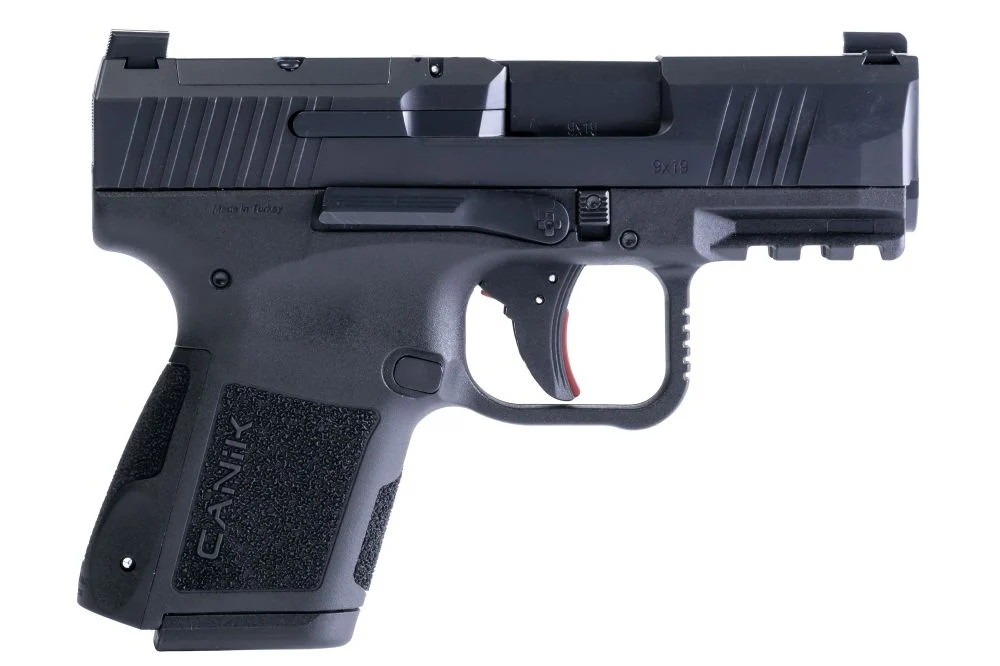
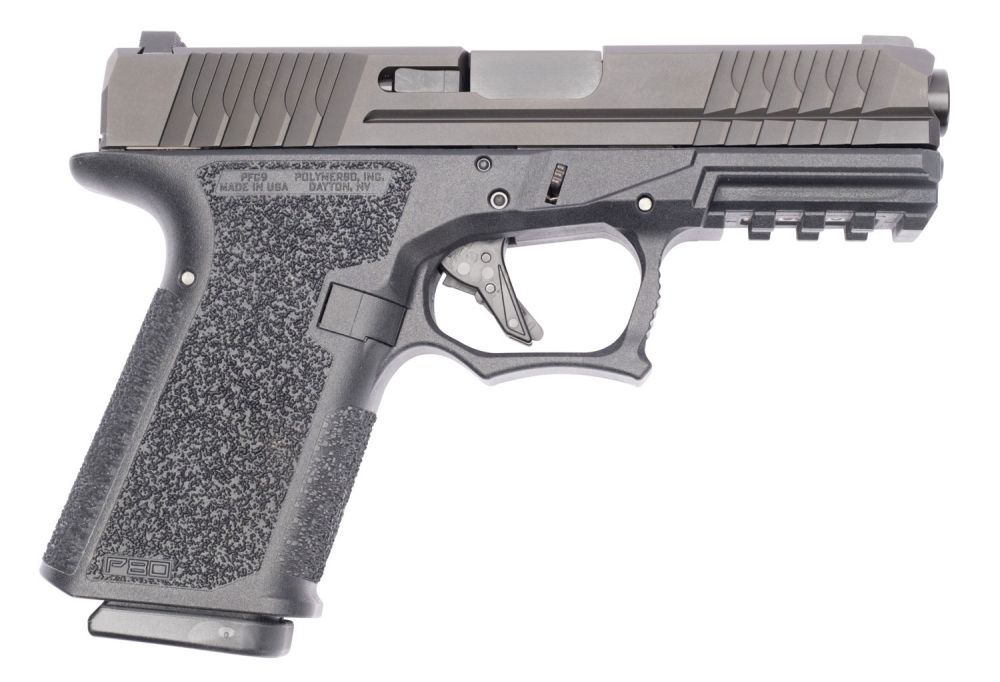
What to check on a used pistol
- Bore: bright with sharp rifling; pitting or a bulge is a rejection.
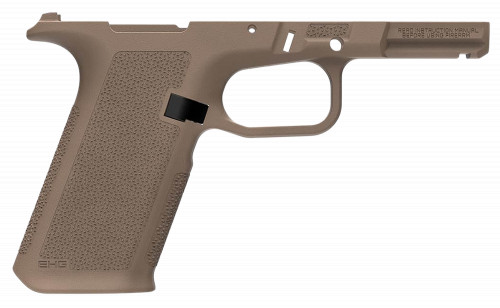
- Frame: cracks at the rails, the locking block pins and the dust cover; on polymer, cracks around the pins.
- Slide: cracks at the breech face and the ejection port; a peened or chipped breech face.
- Function: trigger resets, slide locks back on an empty magazine, safeties work, extractor holds a case.
- Magazines: included, matching, and feed lips undamaged.
What to check on a used revolver
Timing and lock-up matter most. With the gun empty, cock the hammer slowly for each chamber and check that the cylinder locks before the hammer reaches full cock. Check the cylinder gap with a feeler gauge or a piece of paper; six thousandths is normal, over ten is excessive. Push the cylinder forward and back for end-shake, and side to side for wobble when locked. Look for a ring on the cylinder face from a forcing cone that has been shaved, and for flame cutting on the top strap, which is normal on magnums and only a concern if deep.
What to check on a used rifle
Bore and crown first; a rifle is its barrel. Check for pitting, a dark bore that will not clean up, and nicks on the crown. Check headspace on a bolt rifle if you can, or ask whether it has been. Look at the stock for cracks at the wrist and the recoil lug, and the bedding for gaps. Cycle the action and check the safety and the trigger. On a semi-automatic, check the gas system for erosion and the bolt for cracks at the lugs.
What to check on a used shotgun
Bore, chamber and choke threads. Look for dents and bulges in the barrel, pitting in the chamber and damaged choke threads. Check the action bars on a pump for bends, the gas system on a semi-auto for erosion and the recoil spring for weakness. Check the stock for cracks at the wrist and the fit of the barrel to the receiver.
Warranty
Most makers warrant to the original owner, so a used gun usually carries no warranty, though several makers will still repair their guns for a fee or free as a matter of policy. Our used guns carry our own inspection and a return window if the gun is not as described. A used gun bought from us is inspected before it ships; a used gun bought privately is not.
The transfer
A used gun transfers exactly like a new one: it ships to the licensed dealer you name, you complete ATF Form 4473 and the background check there, and you take it home under your state's rules. The buying guide covers the steps and the state overview covers what your state adds. Inspect a used gun at the dealer's counter before you accept the transfer, and refuse it if it is not as described.
Prices
A police trade-in pistol in good condition typically sells for sixty to seventy percent of the new price; a clean used bolt rifle for seventy to eighty; a used steel revolver from a good maker often holds its value entirely, and some appreciate. If a used price is within ten percent of new, buy new.
Browse used and trade-in guns in the catalogue, read the calibre guide if a trade-in .40 tempts you, and find your town's dealer rules on the city pages.
General information, not legal advice. Current as of September 2026. Laws change; check the official source before you act.